On "Noelia Castillo’s death shames the euthanasia lobby" by Yuan Yi Zhu
General critics of euthanasia and assisted suicide tend to not engage the fundamental issues.
I recently learned of an UnHerd article “Noelia Castillo’s death shames the euthanasia lobby” by Yuan Yi Zhu. It was, of course, motivated by the tragic case of Noelia Castillo.
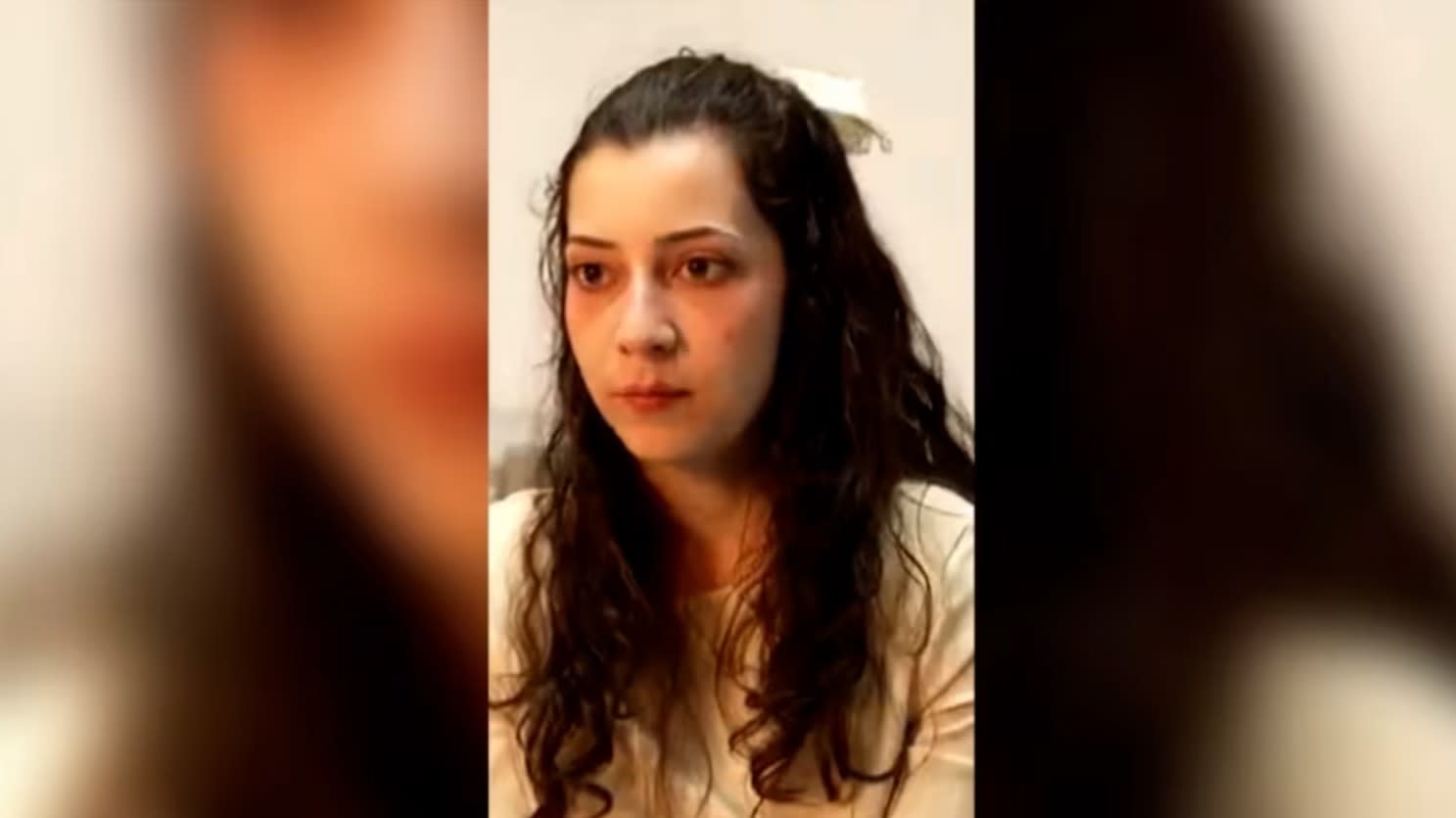
Whatever anyone thinks of that case—and it seems like some of the important facts of the case are in dispute and/or not easy to find—nothing in Yi Zhu’s short article seems to plausibly support any general or near-universal opposition to (active) euthanasia or assisted suicide. That is, nothing about this tragic isolated case supports thinking that euthanasia is or must always be wrong or that it should be illegal.
Perhaps that wasn’t the intention, but it seems like “activist” critics of euthanasia—for better or worse—tend to focus on isolated, “sensational” cases, instead of engaging the core questions about the issue, which are, at least, these:
should anyone ever be allowed to die?
when should people’s choices to be allowed to die be respected?
when can someone’s quality of life be so poor that their choice to be allowed die should be respected?
can anyone ever be better off dead?
if and when people should be allowed to die—because of their poor quality of life and their own judgments about their quality of life—wouldn’t it be better for them to get what they want, and get out of their misery, quicker, by someone “actively” doing something to hasten their death?
is there always some morally important difference between allowing things to happen and “actively” doing things? Is there always a morally important difference between letting someone die and killing them?
could it ever be wrong to not let someone die?
could it ever be wrong for someone (especially some willing person) to not respect someone else’s wishes and not do what’s best for them, if doing that would involve killing them?
Yuan Yi Zhu doesn’t engage these issues in his short writing. We do get this though:
The truth is that to believe in euthanasia and assisted dying while not being a moral nihilist requires believing in three contradictory ideas before breakfast. [1] Suicide prevention is good, unless the suicide gains the approval of doctors. [2] The lives of the disabled have equal dignity to those of the non-disabled, but being in a wheelchair is grounds for the state to put you to sleep permanently. [3] Our society’s treatment of the poor and the vulnerable is shameful, but we cannot consider these things when it comes to their decision to kill themselves. Most supporters of assisted suicide and euthanasia cannot square the circle, which is why they either focus on autonomy or simply deny that this sort of case happens.
We aren’t told what a “moral nihilist” is—but that sounds bad!—but thinking that to support (active) euthanasia and assisted suicide you must accept these “contradictory ideas” (which are not even contradictory: I guess this was just a colorful label for ‘false claims’) is, well, a “contradictory idea”:
“Suicide prevention is good, unless the suicide gains the approval of doctors.”
No. No thoughtful person thinks that any suicide some doctor approves of must be morally permissible. Doctors can make bad choices: just because they approve of something doesn’t mean it’s in the person’s best interest and what they want.“The lives of the disabled have equal dignity to those of the non-disabled, but being in a wheelchair is grounds for the state to put you to sleep permanently.”
No. No thoughtful person—and maybe even even almost no person—thinks that being in a wheelchair means your quality of life is so poor that you want, or should want, your life to end.“Our society’s treatment of the poor and the vulnerable is shameful, but we cannot consider these things when it comes to their decision to kill themselves.”
I suppose this depends on what “our society” is, but my bet is that nearly all thoughtful, reflective advocates of euthanasia and assisted suicide are strongly in favor of more and better support structures for the poor and vulnerable: for people who want to die, if their quality of life can be improved so that they no longer want to die, that would be far, far preferable! Unfortunately though, at least in the culture of the United States, there is strong resistance to making the effort to improve such people’s quality of life, often by people and politicians who call themselves “pro-life.” These folks sometimes encourage private charities and churches to take on this support role, but the challenges here are clearly too big for them to take on.
In sum, again, Yuan Yi Zhu claims that “Most supporters of assisted suicide and euthanasia” have some kind of contradictory beliefs here. But there are no contradictions here, only “strawperson” views that no reflective people accept.
Such impressions of “most supporters” of anything are formed, I suppose, on the basis of who you engage with. I suppose there are, or might be, some uninformed, generally thoughtless, unreflective supporters of euthanasia who say these types of things.
Fortunately though, the basic and best cases for euthanasia are based on arguments from informed, thoughtful, and reflective people, and Yuan Yi Zhu’s remarks don’t engage those arguments. Since he is a professor of International Relations and International Law, and these are not topics in those fields, I really wouldn’t expect him to engage with such thinkers (from philosophy, ethics, and bioethics) but—to more responsibly and more productively engage these issues—it seems he really should.
Also see Supporting Assisted Death Doesn’t Require Holding Contradictory Beliefs: A response to Yuan Yi Zhu by Jason Chen.


1. If a person asks for help to harm themselves, generally we should refuse this, strongly discourage them, and recommend alternatives. If they ask for help to severely, irreversibly harm themselves, we should ban others from helping as well.
ReplyDelete2. Assisted suicide harmed Noella (because in some possible worlds she was severely harmed, in some she was only mildly benefitted, and on balance the harms were worse).
3. So, when Noella requested assisted suicide, assistance should have been refused, suicide discouraged, and social programs recommended instead.
In support of premise 1, consider the following intuitions:
- if someone of sound mind who had never never used drugs asks for help to inject hard drugs you should refuse to help, discourage them from injecting drugs, and suggest more productive outlets.
- if someone of sound mind asks for ivermectin, uneccessary amputation, or other unecessary medical treatments, you should refuse to perform these treatments, discourage them from finding someone who will, and suggest evidence based treatment instead.
Consent alone does not settle whether assistance is ethically appropriate. Regarding counterexamples (e.g., boxing, cosmetic surgery, etc.), I would mostly say that the above still applies - you should refuse to help late period Michael Jackson get another nose job, and you should refuse to help a young person start full contact combat sports. However, as the harm is less severe and more reversible, it is not necessary to ban others from helping them.
In support of premise 2, an action harms someone if they are made worse off than the counterfactual. Many women in Noella's situation go on to have long, fruitful lives with the right supports. Noella's life was cut short at a young age and had less positive experiences in it than a plausible alternative. Even if a terrible life is assumed, if assistance in suicide were refused then unassisted suicide was still possible, so assistance does not appear to have measurably benefited her compared to the counterfactual. So in some possible worlds she was severely harmed and in some she was only mildly benefitted.
This argument may not support banning all assisted suicides. If a person has only a very short time to live and it is likely to be painful, then assisted suicide may not harm them. This can explain why most people in Western nations seem to support assisted suicide in terminal patients, but far fewer support assisted suicide in patients with non-life threatening conditions.
Do you roughly agree with the above?
I agree with much of the above but I have no opinion on "Assisted suicide harmed Noella (because in some possible worlds she was severely harmed, in some she was only mildly benefitted, and on balance the harms were worse)" since I do not know enough about the factual circumstances of her case.
DeleteThe big point here is your "This argument [about Noella] may not support banning all assisted suicides." Critics here tend to focus on anecdotal cases and not the general issues; furthermore they especially tend to not think about the potential wrong actions that result from banning active euthanasia.
This comment has been removed by the author.
DeleteFYI:
DeleteEuthanasia, or Mercy Killing
https://1000wordphilosophy.com/2019/03/05/euthanasia-or-mercy-killing/